
|
Guest Post from a Colleague; Organizing Your Garage Like a Pro: A Guide to Organize the Home's Most Cluttered Space The garage often becomes a catch-all space for items we no longer use, seasonal gear, and miscellaneous clutter. However, with a little planning and effort, you can transform your garage into a well-organized and functional space. In this guide, we will explore practical tips and strategies to help you organize your garage like a pro. Say goodbye to the chaos and embrace a clean and efficient garage that maximizes storage and enhances the overall functionality of your home. -Set Goals and Prioritize: Before diving into the organizing process, take a moment to establish your goals and priorities. Assess how you want to use the garage space, whether it's for parking vehicles, a workshop, storage, or a combination of these. By clarifying your objectives, you can tailor your organizing approach accordingly. -Declutter and Sort: Begin the process by clearing out the entire garage. Sort items into categories such as tools, sports equipment, seasonal decorations, and household supplies. Assess each item's usefulness and sentimental value. If you haven't used an item in years and don't foresee using it in the future, consider donating, selling, or disposing of it. -Categorize and Zone: Once you've decluttered, create designated zones within your garage based on the categories you identified earlier. For example, set up a sports equipment zone, a gardening zone, and a tools zone. This approach helps maintain order and makes it easier to find and access items when needed. -Maximize Vertical Space: Utilize the often-underutilized vertical space in your garage. Install wall-mounted shelving units, pegboards, and hooks to store items such as tools, gardening equipment, and sports gear. This not only keeps items off the floor but also provides easy visibility and accessibility. -Utilize Overhead Storage: Make use of the overhead space in your garage by installing ceiling-mounted storage racks or platforms. These are perfect for storing bulky items like seasonal decorations or rarely used equipment. Be sure to label bins and boxes clearly for easy identification. -Create a Functional Workstation: If you use your garage as a workshop, dedicate a specific area for your tools and workbench. Install a sturdy workbench with storage drawers or cabinets underneath for organized tool storage. Use wall-mounted pegboards to hang frequently used tools and keep them within reach. -Optimize Floor Space: Keep the garage floor clear to maximize functionality. Invest in storage solutions like freestanding cabinets or modular storage units to store items that can't be hung on walls or stored overhead. Store larger items against the walls to create an open area for parking vehicles or other activities. -Label and Maintain: Labeling is crucial for maintaining an organized garage. Use clear and legible labels on storage bins, shelves, and drawers to ensure items are returned to their designated places. Regularly review and maintain your organized garage to prevent clutter from creeping back in. Organizing your garage doesn't have to be an overwhelming task. With a systematic approach and these helpful tips, you can transform your cluttered garage into a well-organized space that adds value to your home. Embrace the opportunity to create a functional and efficient environment where you can easily find what you need and enjoy the benefits of a tidy garage. Start today, and let your garage become a source of pride and inspiration. If you’re based in the Phoenix area and would like some professional assistance getting your garage organized, visit www.inspiredorganizersaz.com for a free consultation. Bio: Kevin Connors is the owner of Inspired Organizers in Phoenix AZ and the Director of Membership of the NAPO Arizona Chapter. He enjoys traveling and playing golf in his free time. 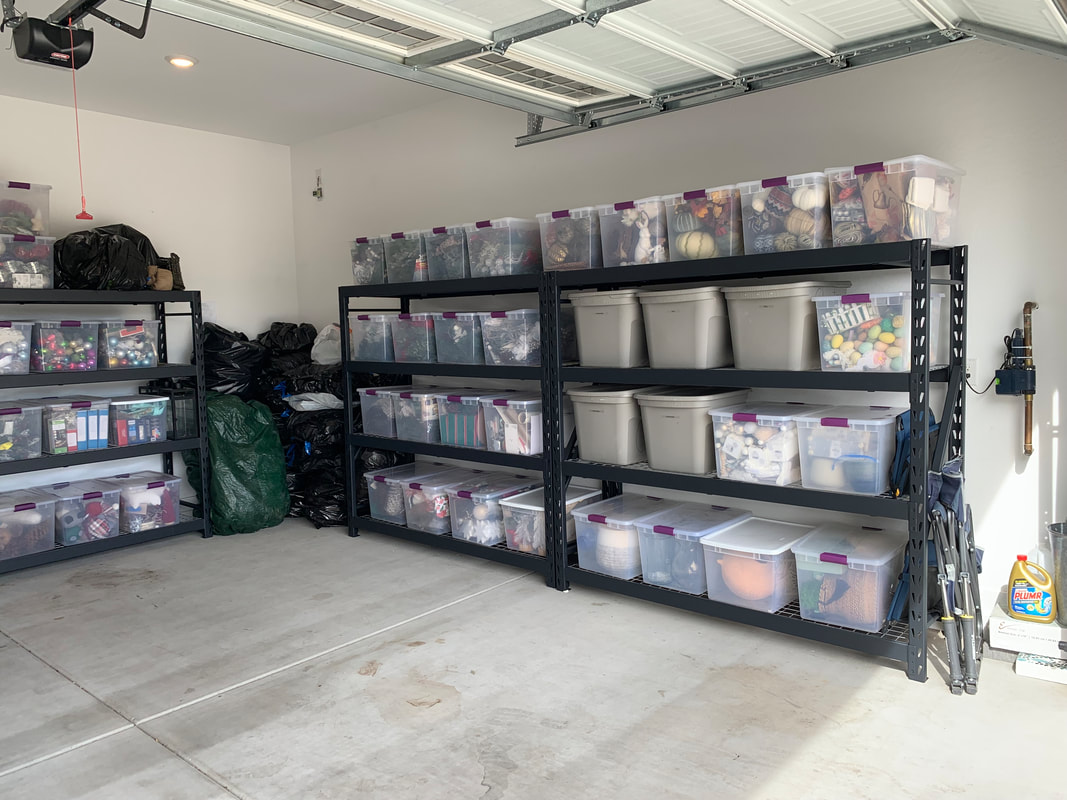
1 Comment
 June / July 2023 What my client forgot: Success story – I have worked for a couple in Athens for 5 years. They hired Simple Solution Organizing initially to organize their office. After working with them for some time, they hired Adele Tusson-Gross to do financial organizing. Adele would meet with them every other week. Her tasks included going through their mail, sorting it into categories, filing important items, updating Quicken, keeping track of tax-related items, paying bills, and communicating with the client's CPA’s, adult children, financial advisors, and home service professionals. Adele’s clients recently moved into assisted living for health reasons. At this time, she started reviewing their emails. She discovered emails from a large financial brokerage site. She asked the client and he had no recollection of it. She called the brokerage site and my client authenticated himself. He had 3 accounts totaling $25,000. Everything on this brokerage site was paperless. It probably was not intentional because he preferred paper. My client wanted all of their investment accounts together. I contacted their Financial Advisor to send the paperwork to make it happen. Historically, the husband in the couple handled all of the finances. In many couples, there is often one spouse that is more interested in this role. In my marriage, that’s me! However, there are many couples that maintain their own personal finances and deposit some funds into a joint account that they pay bills from. Regardless of how you handle your finances, your spouse/significant other, executor of your will, attorney, and/or someone you trust needs to be aware of all of your financial accounts. Do this now! Please don’t wait until you have a crisis. Unfortunately, we don’t know what our future holds. Don’t procrastinate this vital task. Simple Solution Organizing can help you with this. We are happy to help you build your own Life Organizer. This essential package includes vital records, an emergency planner, as well as end of life items on a digital document, which is cross-referenced to a paper file. My daughter has a copy of my life organizer. This gives my husband and I peace of mind. Our College Hunk staff is ready to help! Did you know that Simple Solution Organizing can help you with your moving and downsizing projects? We have College Hunks and a team of Professional Organizers ready to help you downsize and get your home ready to go on the market! Our team members Connor, Adam, and Brice have worked with several clients. A few examples of jobs they have successfully completed include:
At Simple Solution Organizing, we charge $50 per hour per team member. Based on our research, this is about half the price of our competitors. Photo on Left: Brice is an aviation student at Middle Georgia, He is a licensed pilot and has 2 cats which he loves to death. He has worked for Simple Solution Organizing since 2022.
Middle Photo: My favorite College Hunk, Connor Gross, my son! Connor is a student at Kennesaw State University studying Information Systems and Supply Chain Management. Connor has worked for Simple Solution Organizing since 2017 Photo on Right: Adam Adam is a student at UGA pursuing a degree in finance, He enjoys soccer and weight training. 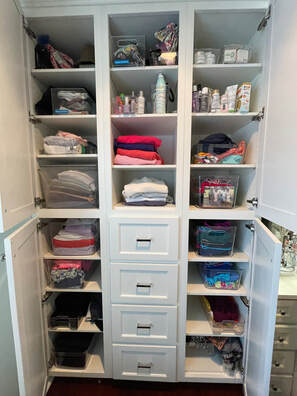 Excess: according to the Oxford Dictionary excess is defined as an amount of something that is more than necessary, permitted, or desirable. A lack of moderation in an activity, especially eating or drinking. I would add consuming to this definition. Excess is exceeding a desirable amount. Do you have excess in your life? I would like excess cash and wealth and I don’t want excess stress or responsibilities. We see a lot of excess of things and stuff when we Organize and Downsize people’s homes. That insatiable desire to acquire more and more Excess. A few stories of excess. Ann, not her real name, recently separated from her husband. She wanted help deciding on items to keep or get rid of before she moves up north. Her 2-bedroom apartment filled with stuff. We worked on creating homes for articles of clothing, toiletries, and décor. There was an abundance of Knick knacks and newly purchased items. Ann struggled with anxiety of where to put things…so much so that she did not put them anywhere. They just piled up. Does this sound like you? If so, just try something. It does not have to be perfect or permanent but try something! Move forward. We learn by storing items in different places. Where would you look for the item? Start there and make progress. The other advice I give to anyone who might be moving soon: is to not buy any furniture or decorative items. It is very expensive to move, stuff gets damaged and you can buy practically anything and have it shipped for free. Barbara, another client, has Elementary age girls, and a beautifully remodeled home with amazing closet organizers installed. Young girls, with lots of creative pursuits, will create a lot of clutter. There are so many fun items they use: art supplies, American Girl Dolls, Lego’s, stuffed animals and lots lots more. The toys were taking over Mom’s space too. During our session we moved all their items back into their bedrooms. Barbara reclaimed her living and dining rooms. I told her that she deserves to have “her” space. A few tips to reduce your kids clutter is to 1) limit the amount of Lego’s or Dolls to a specific container(s). Once the container(s) are full they have to get rid of some (of that toy category) if they want more. 2) Growing kids change sizes frequently. Have a container in your kids closet designated for the clothing they can’t fit into or don’t wear anymore. It's best if you implement systems like this when your kids are young. They are more likely to keep it up. They are also more likely to do it if they see their parents “practicing what they preach.” My husband and I have a bottomless container in our garage for clothing and other items we want to donate. When the container gets full, we bring it to Habitat for Humanity and start all over again. Having a designated spot to put unwanted items in helps a lot. One of my Team Members and I were working with a Downsizing client. Renee, recently retired and wanted to simplify her space. She donated a lot and is Consigning through Finders Keepers Consignment in Decatur. Renee told me she no longer makes impulse purchases. She shops online a lot and will place items in her cart. She waits a couple of days and returns to the cart and generally does not make the purchase. This practice deters impulse buying. Great advice! Removing excess items that you and your family no longer want or need opens up your space for what you do want and need. Excess stuff weighs us down emotionally and physically. Let go of some excess stuff this month. You won’t regret it. If you struggle to let go of your stuff, we can help. Adele Gross 706-714-1314 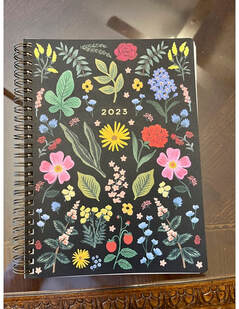 Planners & Calendars
I gave up Paper Planners many years ago and transitioned completely to digital. It was not an easy switch. I think I missed a few appointments and scheduled some on the wrong day and it was very embarrassing to say the least... I felt a lot of pressure to get on board with the wave of the organizing future: using and mastering a Digital calendar and To Do List(s). A few months past and it did get easier to navigate and use the Digital Calendar efficiently. However, I think I lost an important valuable tool by giving up my Paper Planner. One of my esteemed Colleagues, Julie Bestry, from Chattanooga, TN writes a blog called Paper Doll. She wrote an insightful post about Paper Planners. She explains why some are better than others, depending on user preferences and learning style. There are so many different varieties available. One revealing fact that Julie provides is that when you view a digital calendar on your smart phone; you’re only seeing 1 day: a sequence of dots signifying appointments. You have to click multiple times to see everything in your day. This is a narrow view of your schedule and your life. We can make more informed scheduling decisions when we are able to view and analyze our full week and month. How do you feel about Digital To Do Lists? I personally don’t like them for me but they work very well for a lot of people. I’ve been using a Digital Calendar and Paper “To Do List(s)” written in a notebook. This process created a void because it is not a cohesive method. This is why I’m excited to reincorporate a Paper Calendar & Planner and write my “To Do Lists” in it. This will take place during my weekly planning sessions. I will continue to use my Digital Calendar – it will be more of a hybrid system—I will have to duplicate writing and typing some appointments into both calendars but I think the end result will be solidifying those appointments into my memory. It will also be a huge motivating factor to schedule and keep weekly Planning Session Appointments which did not always happen. I have advised Client’s for years to only use 1 Calendar because appointments can slip through the cracks. This year I’m going to try 2. If it does not work out; I can always change back. It’s a good idea to try different things, shake things up, and reevaluate your current system(s) from time to time. I personally think that when you use a Paper Planner you have an incentive to sit down and write in it. This process may create synergy flow. I never had that experience with my Digital Calendar. That was just clicking and typing no creativity sparked during that activity. What change(s) do you want to make this year? What’s working and what’s not? Be realistic and create achievable goals for yourself. Even one micro change that will enhance and improve your health, relationships, and organizing systems at home and work can make a big impact. Adele Tusson-Gross ©2023 All Rights Reserved  Organizing Tip:
Add your Emergency Roadside Assistance number into the Contacts section of your phone under Roadside Assistance or Auto Insurance and include your policy number in the notes section. If you are in an emergency situation; you will not want to search for it. Daily Money Manager/Financial Tip: 2023 – What changes do you want to implement? Auto renew: most subscriptions are set for auto renew. Do you know what (each subscription) when (date it renews) and how (what account: checking or credit card it is withdrawn from)? Create an excel document or hire us to research this and create it for you. Please! Help Yourself & Use the Nice Glasses: Our clients have valid reasons for clutter: their parent died and they inherited all of their stuff. However, we also hear a lot of excuses why they have clutter: I bought this item, I don’t like it but it cost a lot of money so I can’t get rid of it. I recently worked with a client organizing her kitchen. She is an older woman, living alone, in a beautifully remodeled home. She explained to me how her Builder and Designer had made very bad choices with the remodeling of her kitchen and laundry room. She really wanted to duplicate the layout of her previous kitchen in her current home but that did not happen. During our consultation I made several recommendations for products that would make her kitchen better organized. She purchased them and we met again a few weeks later. I was really surprised when I discovered that she was keeping several sets of glasses for people who rarely visit her and one “ugly” set for herself that she would not offer to her visitors. She also had one additional set of nice glasses that she offers to visitors but does not use herself. That is a total of 3 sets of glasses, in her cabinet, that she rarely ever uses. Does this sound a little bit absurd to you? It does to me! I strongly believe that 1) people visit us to spend time with us; they don’t care what glasses they drink out of and 2) use the nice glasses and get rid of the ugly ones. Glassware that is only used occasionally, stored in a prime real estate cabinet: is clutter. It is very frustrating to hear excuses like this. I spoke with her about the rationale but the glasses stayed. Do you make silly excuses for keeping clutter? Lots of people do. Are you helping or hurting yourself? Here is a list of excuses:
It’s only stuff. Remember…it’s only stuff. What do you want or need? If your goal is to get better organized and reclaim your space then you need to HELP YOURSELF. Speaking of clutter. Christmas is almost here. I cringe at the thought of so many useless gifts that people will not use or want. Why not ask loved ones what they really want or need? We hope you have a beautiful holiday season. Adele Tusson-Gross |
AuthorAdele Tusson-Gross Categories
All


|



 RSS Feed